From a metalworking workshop to an industrial enterprise
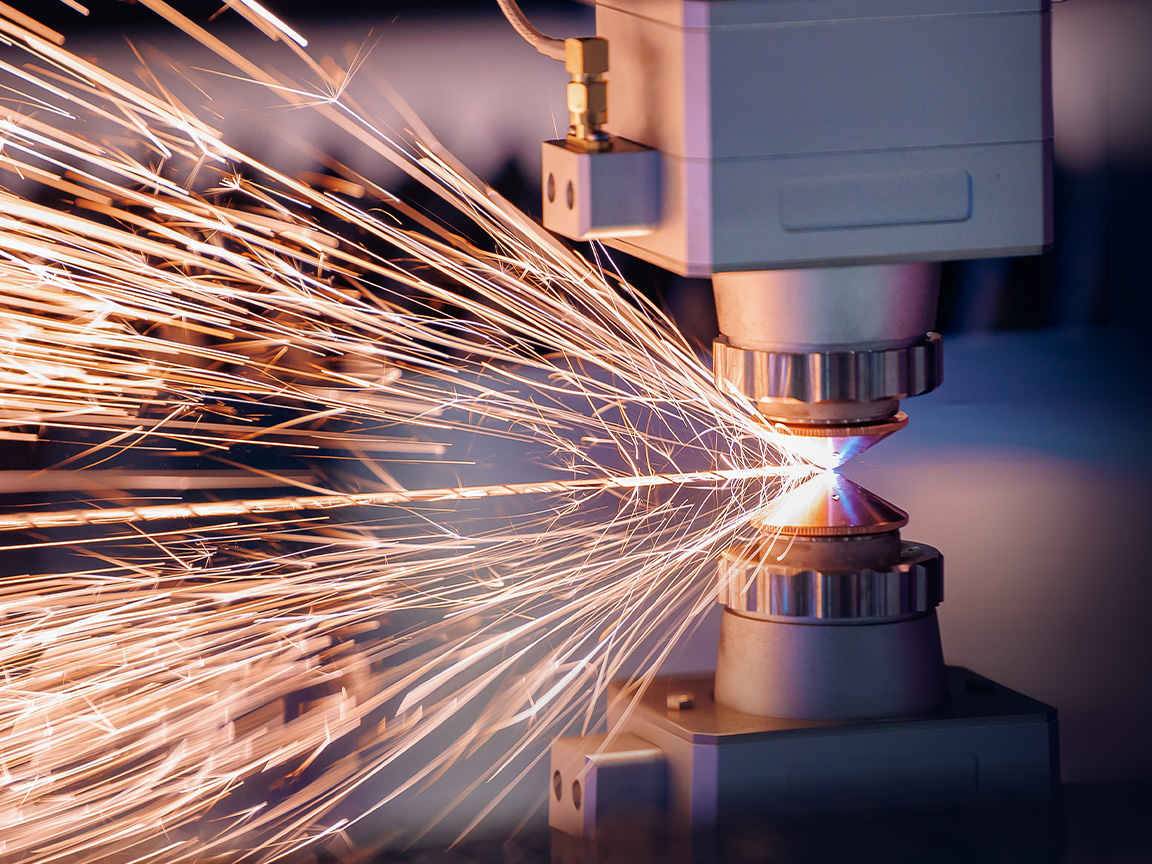
The client is a medium-sized plant engineering firm (€70 million turnover, 200 employees in the Allgäu region) that has evolved from a metalworking workshop into a globally active industrial enterprise.
The management team was faced with two urgent tasks: following the resignation of the production manager, an interim solution had to be found at short notice – until an internal successor was ready to take over. At the same time, a certified management system was to be introduced to strengthen processes, KPIs, risk management and compliance.
Dependence on the construction industry
The company’s heavy reliance on the construction industry hit it particularly hard in a weak market environment – short-time working became unavoidable. The consequences: around 20% of production staff resigned, leading to a loss of expertise and staff shortages.
In addition, internal weaknesses came to light: a first-pass yield of just 95% pointed to quality issues and inefficiency. The ERP system exacerbated the problems, as it did not reflect realistic capacity limits for machinery and staff – resulting in issues such as overloading, planning errors and a lack of transparency.
A multi-faceted strategy
The company combined short-term measures with long-term objectives: short-time working was used to provide training, enabling the company to deploy staff more flexibly. At the same time, a DIN-ISO 9001 management system was introduced to standardise processes, increase transparency and ensure compliance.
A quality initiative aimed to reduce waste and improve efficiency, whilst targeted automation and digitalisation optimised production. In addition, processes in development and procurement were overhauled, and realistic capacity limits were incorporated into the ERP system to prevent planning errors. A training plan ensured internal succession planning for production management, thereby guaranteeing long-term stability.
From Strategy to Practice
The measures were implemented systematically: staff undertook targeted training – ranging from machine programming, REFA methods and lean production (Green/Yellow Belt) to master craftsman courses, management training and quality management.
At the same time, the DIN ISO 9001 management system was introduced, featuring documented processes, defined KPIs, risk and opportunity management, and clear compliance rules. Lean methods reduced waste and improved quality and delivery performance. Value streams in production and logistics were optimised, and the PDCA cycle was systematically applied.
Efficiency gains were achieved through set-up time optimisations and investments in programming software and welding robots. Production key performance indicators were presented transparently on the shop floor and to senior management. In addition, a structured product development process (PEP) and professional supplier management were introduced. Key performance indicators for machine and staff availability ultimately ensured greater transparency and improved planning capabilities.